
Acupuncture is one of the primary therapeutic modalities within Traditional Chinese Medicine (TCM), a comprehensive system of medicine that has been practiced and refined for thousands of years. Far more than the placement of needles, acupuncture is guided by a detailed diagnostic system that seeks to understand the underlying patterns contributing to health and disease.
At Elora TCM Clinic, every treatment is grounded in the principles of Traditional Chinese Medicine and tailored to your unique constitution, health history, stage of life, and personal goals. No two treatments are exactly alike because no two people are exactly alike.
Whether you are seeking support for women’s health, fertility, pregnancy, emotional wellbeing, pain, or healthy aging, acupuncture is used to encourage balance, restore function, and support your body’s remarkable capacity for healing.
From a Traditional Chinese Medicine perspective, acupuncture regulates the flow of Qi and Blood throughout the meridian system, harmonizes Yin and Yang, supports the function of the Zang-Fu organ systems, and restores balance within the body.
Treatment is designed to address both the root cause of imbalance (Ben 本) and its presenting symptoms (Biao 標), promoting lasting change rather than simply temporary symptom relief.
From a biomedical perspective, research suggests acupuncture influences multiple physiological systems. Studies indicate it may:
Rather than acting through a single mechanism, acupuncture appears to produce a wide range of integrated physiological responses throughout the body.
One of the most unique aspects of Traditional Chinese Medicine is that treatment is never protocol driven.
Your acupuncture prescription is developed following a comprehensive assessment that may include your health history, presenting concerns, tongue diagnosis, pulse diagnosis, abdominal palpation (when appropriate), and Traditional Chinese Medicine pattern differentiation.
Point selection is carefully chosen according to your individual diagnosis and may change from one treatment to the next as your body responds and your health evolves.
This is why two people with the same Western medical diagnosis may receive entirely different acupuncture treatments.
Although both techniques use fine, sterile needles, Traditional Chinese Medicine acupuncture and dry needling are fundamentally different approaches.
Traditional Chinese Medicine acupuncture is based on a complete system of medicine with its own diagnostic principles, treatment strategies, and understanding of health. Point selection is guided by pattern differentiation, meridian theory, the Zang-Fu organ systems, and the movement of Qi and Blood throughout the body.
Dry needling is primarily a musculoskeletal technique that focuses on trigger points within muscles to reduce pain and improve function. While it can be an effective treatment for certain conditions, it does not utilize the diagnostic framework or treatment principles of Traditional Chinese Medicine.
At Elora TCM Clinic, acupuncture is always provided within the broader context of Traditional Chinese Medicine, allowing treatment to address both local symptoms and the underlying patterns contributing to your health concerns.
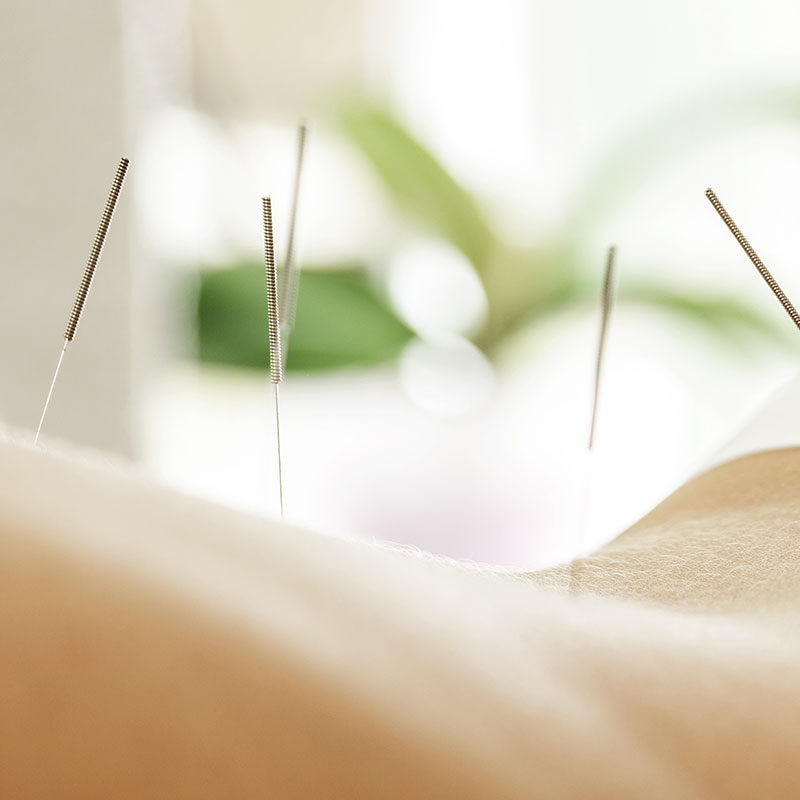
Acupuncture needles are extremely fine—approximately the width of a human hair—and are significantly thinner than needles used for injections or blood tests.
Most people experience little or no discomfort on insertion. Once the needle is in place, you may notice sensations such as warmth, heaviness, tingling, fullness, or a gentle ache. In Traditional Chinese Medicine, this therapeutic response is known as De Qi and is often considered an indication that communication with the meridian system has been established.
Many patients describe treatments as deeply relaxing and restorative, with some even falling asleep during their session.
Your first visit includes a comprehensive Traditional Chinese Medicine consultation and assessment.
We take time to understand your health history, lifestyle, sleep, digestion, emotional wellbeing, menstrual and reproductive health (when applicable), medications, and personal goals.
This may include Traditional Chinese Medicine diagnostic methods such as:
Following your assessment, we will explain your diagnosis, discuss your treatment plan, answer your questions, and begin your acupuncture treatment.
No. As your body changes and responds to treatment, your acupuncture prescription may also change. Traditional Chinese Medicine continually reassesses your progress to ensure your treatment remains appropriate for your current presentation.
Your health is about more than managing symptoms—it’s about feeling balanced, resilient, and supported throughout every stage of life. Whether you’re seeking care for a specific health concern or looking to invest in your long-term wellbeing, we’re here to provide personalized Traditional Chinese Medicine that honours your unique health journey.